
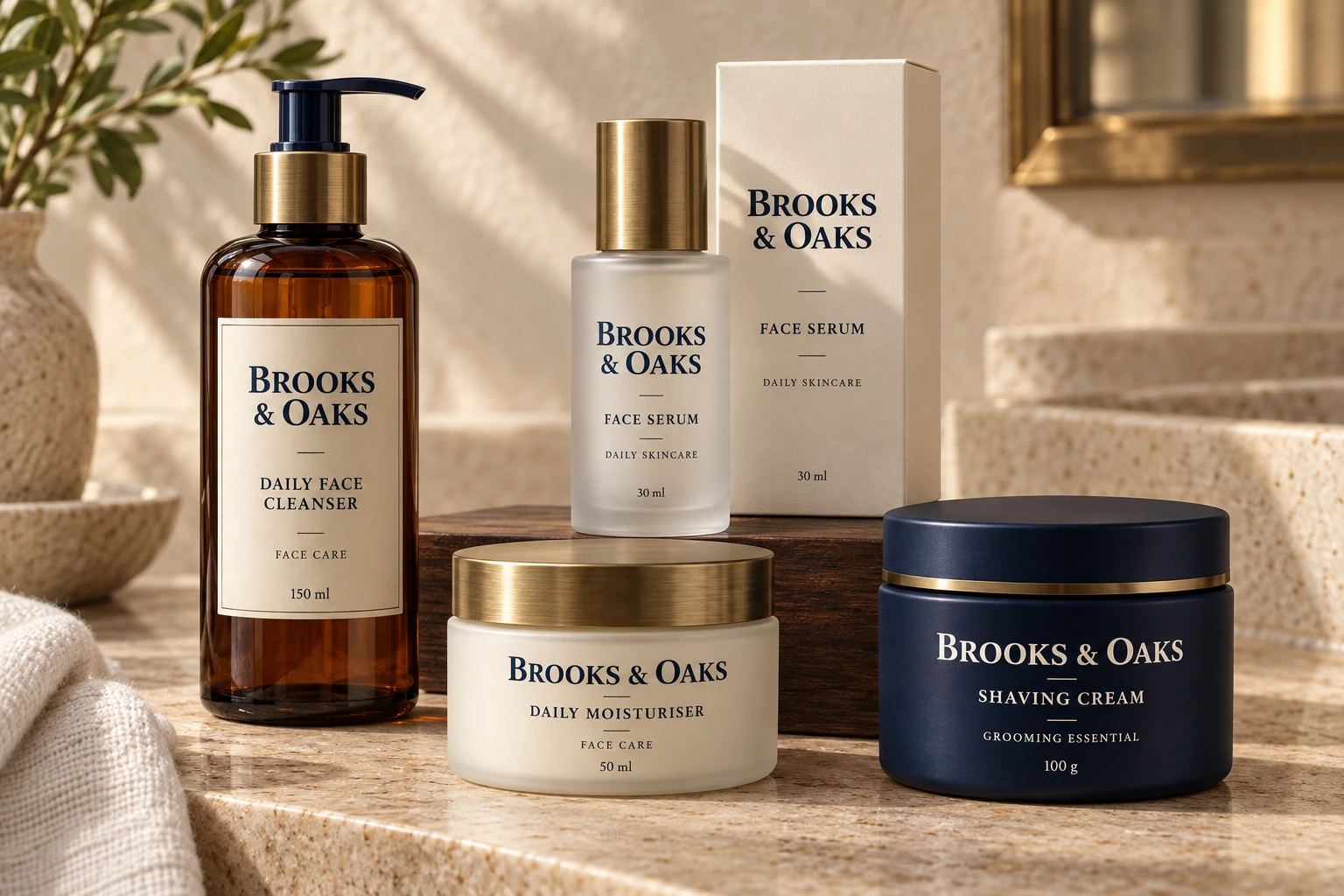
A product can be chosen carefully and presented beautifully, but a few personal words often explain the gesture more clearly than the packaging can. The note tells the recipient why this object made you think of them. It connects a bottle or set to a relationship rather than leaving it as an attractive purchase.
The strongest gift note is usually specific and modest. It does not need to sound like a brand campaign or a formal letter. A shared detail, a remembered preference and a simple wish can be enough. This guide offers a way to find those words while keeping the message natural to the person writing it.
Begin with the reason for the choice
Ask yourself what led you to this gift. Perhaps the recipient mentioned enjoying a particular scent, travels often or appreciates an unhurried evening routine. Perhaps the product's atmosphere reminded you of a shared place. Start with that real connection.
Avoid inventing a grand reason after the purchase if a smaller honest one exists. “You mentioned how much you enjoy a quiet Sunday morning” is more meaningful than a vague declaration about deserving the finest things in life. The detail shows that you listened.
If the choice was simply that you thought the person might enjoy it, that can still be expressed warmly. You do not need to create a story more elaborate than the relationship supports. Sincerity is easier to recognise when the language remains proportionate.
Use one concrete detail
Choose a detail the recipient will recognise. It might be a conversation, a habit, an occasion or a shared memory. One clear reference can make a short message feel personal without requiring a long explanation.
Keep private details appropriate to the way the gift will be received. A note may be read while other people are present, especially at a celebration. Choose something you are comfortable sharing in that setting rather than assuming the message will remain entirely private.
The detail does not need to be sentimental. A light observation about a travel routine or a preference for woody fragrances can be enough. Personal writing becomes distinctive through accuracy, not only through emotional intensity.
Offer a moment rather than an outcome
A personal-care gift can invite a pleasant moment: an unhurried evening, a familiar morning or a small pause during a busy week. Phrase the wish as an invitation rather than a guarantee that the product will change someone's mood or health.
This keeps the note warm without making unsupported claims. You can hope the recipient enjoys the ritual while leaving room for their own experience. A fragrance that reminds you of a calm place may suggest something entirely different to them.
Avoid instructions that create pressure. “I thought you might enjoy this on a quiet evening” feels different from telling someone they must finally take time for themselves. The gift should offer space, not another obligation.
Let the relationship set the tone
A note for a close friend may be informal and playful. A message for a colleague or host may be shorter and more restrained. Use the level of familiarity that already exists rather than adopting an elaborate tone because the gift is premium.
The words should sound like something you might say. If a sentence feels unnatural when read aloud, simplify it. Familiar language can carry care without needing ceremonial phrasing.
Consider whether the occasion needs to be named. A birthday, a thank-you or a celebration can provide a clear opening. For an unexpected gift, a simple explanation of the thought behind it may be more useful than an invented formal occasion.
Keep appearance out of the message unless invited
Personal-care gifts can accidentally sound corrective if the note focuses on what the recipient should improve. Avoid unsolicited comments about ageing, skin, hair or attractiveness. A gift can celebrate enjoyment and routine without making the person feel assessed.
If the recipient specifically asked for help choosing a product for a concern, the note can acknowledge that request appropriately. Even then, keep product claims accurate and avoid promising a result you cannot guarantee.
A safer and often warmer focus is the experience: the texture they enjoy, the scent they mentioned or the convenience of a familiar routine. These details honour preference without implying a problem that the gift is intended to fix.
Give the product context without writing instructions
A brief note can explain why the category suits the person, but detailed application directions belong to the product label. Do not invent amounts, timing or additional uses in the message. The recipient should follow the actual product information.
If a set has a simple theme, describe the theme in ordinary words. A small collection for a travel bag or an evening body-care ritual is easy to understand. There is no need to turn the card into a full routine guide unless the information is accurate and useful.
Keep the note's main role relational. It is there to explain the gesture. The label, product page and retailer support can answer technical questions without making the personal message feel like a sales leaflet.
Draft freely, then remove the extra words
Write the thought first without worrying about perfect phrasing. Then look for repeated ideas, broad adjectives and sentences that could belong to any gift for any person. Remove what does not add a specific meaning.
A useful structure is simple: name the occasion or thought, mention the personal detail, offer a modest wish and sign naturally. The structure is a guide, not a formula that every note must visibly follow.
Read the message aloud once. If it feels like a conversation you could have with the recipient, it is likely close to the right tone. If it sounds more like packaging copy, return to the concrete detail that made the choice personal.
Make the card easy to read
Presentation should support the words. Use a legible size and enough contrast, whether writing by hand or printing. A pale metallic ink on a pale card may look decorative but make the message difficult to read in ordinary light.
Leave space around the text rather than filling the card with an unnecessarily long paragraph. A short message can feel generous when the words are considered and the layout allows them to be read comfortably.
If handwriting, clarity matters more than elaborate calligraphy. A natural signature and readable message can feel personal without ornamental flourishes. The recipient should not have to work to understand the thought you wanted to share.
Check the delivery format
If the retailer prints the note, confirm the available character limit and whether formatting will be preserved. Review spelling, names and punctuation before submitting. A small error in a personal detail can be more noticeable than an imperfect decorative choice.
If the gift is sent directly, confirm that the message will accompany the correct order and that the gift arrangement matches your intention. Do not assume a note has been included merely because there was a comment field at checkout.
Keep the wording appropriate to possible visibility. Order-handling staff may need to process the message, and the recipient may open it in company. Avoid including sensitive information that is unnecessary to the gesture.
Find the sentence only you could write
Imagine sending a personal-care gift to a friend who once described enjoying quiet mornings before the household wakes. The first draft of the note says that the gift is luxurious, beautiful and perfect for relaxation. Those words are pleasant, but they could accompany almost any product for almost any person.
The writer returns to the actual memory. The friend spoke about a particular kind of morning and the pleasure of having a few unhurried minutes. That detail provides a more personal starting point than a list of adjectives. The note can refer to the conversation without suggesting that the product will create a guaranteed emotional result.
The next revision removes instructions. Telling the recipient that they must finally take time for themselves can sound like another responsibility. A modest invitation leaves room: the writer thought the product might be enjoyable within a moment the friend already values. The gesture recognises preference rather than prescribing behaviour.
The message also avoids commentary on appearance. There is no need to mention skin, ageing or a perceived need for improvement. The product was chosen as a pleasure, and the note can keep that focus clear. If the recipient requested a specific practical item, the writer can acknowledge the request without inventing broader claims.
Then the writer checks the setting in which the note may be read. If the gift will be opened during a gathering, the personal detail should be comfortable to share in company. A message that feels appropriate privately may need a simpler reference when others could be present.
Presentation comes after the words. The card is legible, the message has enough space and the signature feels natural. Decorative typography is used only if it remains easy to read. A sincere sentence should not be hidden beneath a visual effect that makes the recipient work to understand it.
Before submitting a printed message through a retailer, the writer confirms the character limit, spelling and delivery arrangement. A gift note is a small piece of writing, but names and specific details deserve a careful final check. The thought is most clearly communicated when ordinary errors do not distract from it.
The finished note may be shorter than the first draft. That is often a sign that it has become more precise. One remembered detail, one clear reason for choosing and a natural closing can carry the whole gesture. The sentence only you could write is usually the one grounded in something you actually noticed about the person.
Keep a copy of a message only if it helps you remember the occasion or avoid repeating the same wording automatically. The purpose is personal continuity, not a catalogue of reusable sentiment. A future note should still begin with the person and the specific reason for that new gesture, even when the gift category is familiar.
Let the note end without a demand
Close with a natural wish or expression of affection, gratitude or celebration. There is no need to ask for an immediate review of the gift or explain how much effort the purchase required. The message should leave the recipient free to enjoy the gesture.
After giving, allow their response to be their own. They may keep the card, mention it later or simply appreciate the thought quietly. A personal note does not need a visible performance of gratitude to have been worthwhile.
The gift becomes personal when the words reveal attention. One remembered detail and a clear, warm sentence can do more than a page of grand language. Write the thought you genuinely had, then let the gift carry it.
