
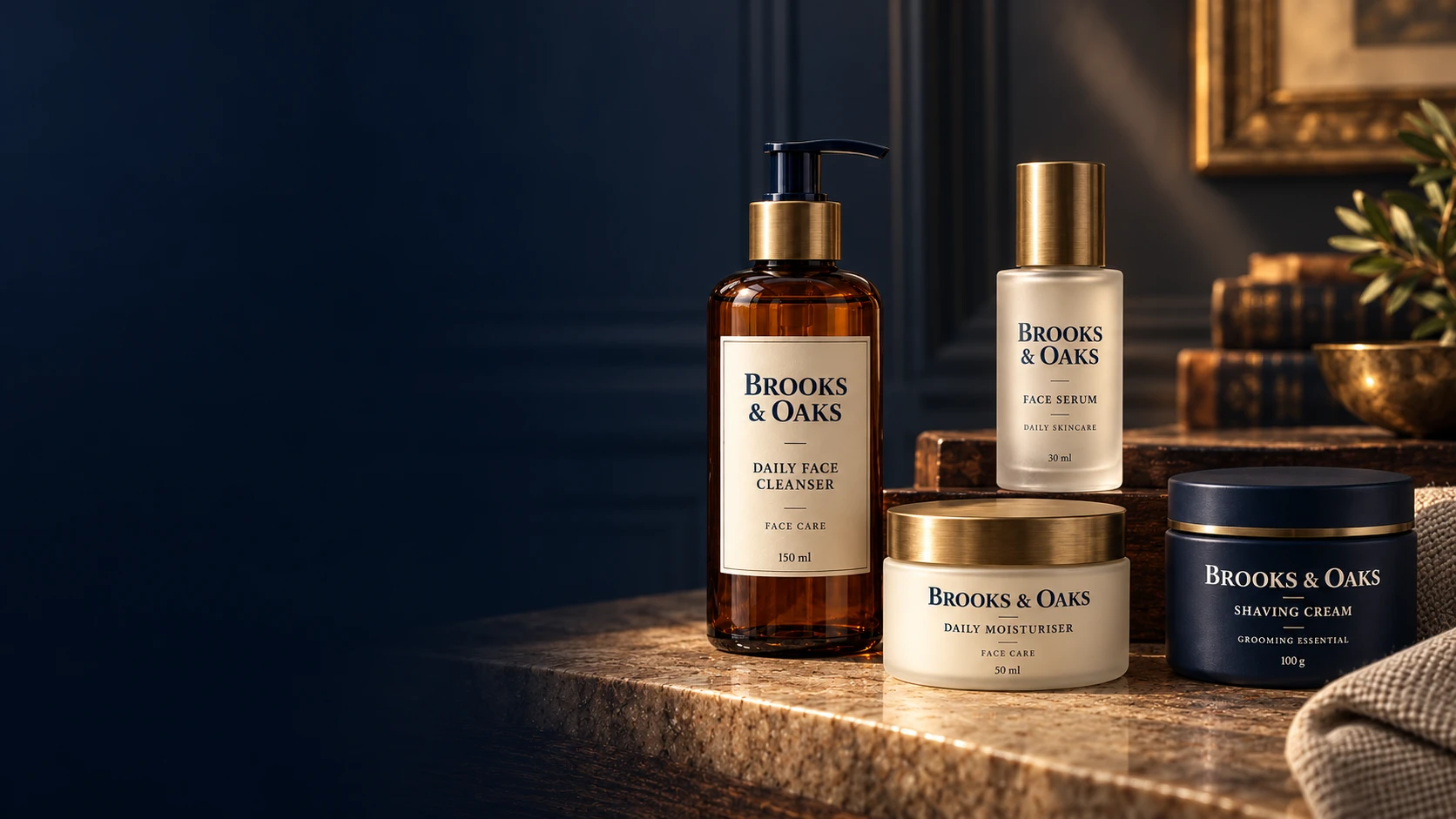
Personal fragrance is chosen by one person and experienced in a space that may be shared by many. That makes it both intimate and social. The scent can be part of how you enjoy getting ready, but its presence does not stop at the edge of the bottle or the mirror.
Fragrance etiquette begins with awareness rather than rigid rules. Consider the setting, the proximity of other people and any preferences or policies that have been communicated. A thoughtful routine makes room for personal pleasure while recognising that others may experience the same scent differently.
Read the setting before choosing the scent
An open outdoor gathering, a small meeting room and a long journey create different conditions. Think about how close people will be, how long they will remain nearby and whether they can easily move away. These practical details are more useful than assuming one fragrance is appropriate everywhere.
If a venue or workplace has a fragrance policy, respect it. If someone has asked for a fragrance-free environment, take the request seriously rather than deciding that your product is too refined or subtle to matter. Subtle is a personal judgement, not a guarantee of someone else's comfort.
You can still make grooming feel considered in a setting where fragrance is limited. Clean clothing, an orderly routine and products chosen for their appropriate use remain meaningful. Scent is one possible finishing detail, not the entire expression of care.
Include all scented products in the picture
A person may apply very little perfume while using strongly scented body care, hair products and laundry products. The combined routine can be more noticeable than any single item. Consider the whole scent environment rather than counting only perfume sprays.
Choose a lead element where fragrance is appropriate and let other products remain quieter if that suits the setting. You do not need several competing scented layers to create a personal impression. Often a simpler routine is easier to enjoy and easier to adjust.
Keep product use within directions. Do not reduce or change an essential product's intended use solely to manipulate fragrance without understanding the consequences. If the scent is unsuitable for a setting, consider an appropriate alternative product rather than improvising with how it is used.
Be especially thoughtful in close transport
Travel can place people close together for an extended period. A scent that feels pleasant during preparation at home may become more prominent in a confined shared environment. Consider this before adding another fragranced layer just before departure.
Avoid applying or reapplying scented products in a way that exposes people nearby without warning. A shared seat, waiting area or cabin is not the same as a private dressing space. Use suitable facilities and respect the context.
Travel rules about products and containers vary, so confirm current requirements with the relevant carrier or official source when packing. Practical compliance and fragrance consideration are separate questions, but both contribute to an easier journey for you and the people around you.
Keep dining in mind
At a table, people share a relatively small space and pay attention to food and drink. A fragrance that dominates the immediate environment may be less welcome than it would be elsewhere. Consider a restrained approach when preparing for a meal in close company.
This does not require a universal ban on every scented product. It asks that you think about the occasion and the people attending. A familiar, modest routine may be more appropriate than trying a new and unusually prominent combination just before dinner.
If hosting, avoid assuming that a strongly scented room and fragranced guest products will please everyone. Give people space to choose. A clean, well-prepared bathroom can feel welcoming without an intense aromatic atmosphere.
Respect differences without debating them
If someone says a fragrance bothers them, respond to the request rather than arguing about the quality, ingredients or price of the product. Their experience does not need to match yours. A botanical or premium description does not make a scent universally comfortable.
A simple response is often enough: acknowledge the concern and adjust what you can. If the situation involves an ongoing shared environment, agree on practical expectations. Clarity is more useful than repeatedly guessing what will be acceptable.
The same principle applies when you are the person requesting a change. Describe the practical need clearly and respectfully. You do not need to criticise someone's taste to explain that a fragrance-free or less fragranced environment would be more comfortable for you.
Avoid relying only on what you notice yourself
Your perception of your own fragrance may change through familiarity and time. Someone encountering it freshly may notice it differently. Do not assume that because you can no longer smell it strongly, more product is needed.
Follow the product's directions and consider the setting before any additional application. If you are unsure how a routine is perceived, a trusted person's feedback can be useful, provided the conversation is comfortable and not treated as a demand for praise.
Feedback should guide practical decisions rather than become a judgement of identity. A scent can be enjoyable and still be too prominent for a particular room. Adjusting the routine shows attention to context, not a failure of personal style.
Choose gifts with the recipient in mind
Fragrance gifts can be personal and memorable, but they involve preference and possible sensitivities. Ask what the recipient enjoys where possible. Their favourite scent family, the products they already use and the settings of their day can all provide useful context.
Avoid choosing solely from your own response. A fragrance associated with a shared memory may be a thoughtful idea, yet the recipient remains free to experience it differently. A note explaining your association can make the gesture personal without declaring that they must love the product.
Where preferences are uncertain, consider a less assumption-heavy option or a format that allows choice. Review current retailer policies before relying on an exchange or return. Do not promise flexibility that the seller has not confirmed.
Make guest spaces welcoming through choice
A guest bathroom can offer clearly identified products and useful information without surrounding visitors with an unavoidable scent. Keep the room clean, the towels ready and the products easy to understand. Hospitality often begins with the absence of confusion.
If you provide fragranced options, let them be options. Avoid decanting several products into identical unlabelled containers. Guests should be able to identify what a product is and read relevant directions or ingredients when needed.
Consider accessibility as well as appearance. A bottle that is easy to handle, a label that is readable and a clear surface can feel more thoughtful than an elaborate display. The guest's comfort is the purpose of the arrangement.
Build a context-aware routine
You may find it useful to have a simple shared-space version of your grooming routine. This could mean choosing fewer scented layers or using appropriate fragrance-free products when required. The specific choices depend on your needs and the setting.
Keep the version easy to remember. A routine that requires complex last-minute decisions is less likely to be followed consistently. Place the relevant products clearly and allow enough preparation time that restraint does not feel like an inconvenience.
The private version can be different when the circumstances allow. You may enjoy a more atmospheric scent at home, provided others sharing the space are comfortable. Context-aware choice allows variety without assuming that every setting should accommodate the same presence.
Four shared-space decisions
Imagine preparing for a long journey in close seating. The decision is not simply which perfume to wear, but what scented products are already part of the routine and how their combined presence may be experienced nearby. A restrained, familiar selection can be easier to manage than adding several new aromatic layers just before departure.
Now imagine attending a meal at a small table. You may choose a different fragrance presence from an outdoor gathering because the setting and proximity have changed. The decision is contextual rather than a judgement that a favourite scent is inherently inappropriate. The same product can have different roles on different days.
A third situation is a shared office where a colleague has requested less fragrance. A useful response acknowledges the request and adjusts what is practical. Arguing that the scent is botanical, expensive or subtle does not address the other person's experience. Clear communication is more helpful than defending the product's reputation.
The fourth situation is hosting a guest whose preferences you do not know. A clean room, ready towels and clearly identified products offer a welcoming foundation. A strongly scented room is optional and may be unnecessary. Giving the guest space to use their own products can communicate more consideration than insisting on a complete aromatic theme.
These decisions share a simple structure: identify the setting, notice who will share it and review the whole scented routine. Where specific policies or requests apply, respect them. Where the choice is open, use judgement and leave room for other people to experience the fragrance differently.
The principle does not require constant anxiety about scent. It encourages a few practical habits that become familiar. Think before adding another layer, avoid application that unexpectedly exposes nearby people and listen when someone expresses discomfort. These actions are easier than trying to establish a universal numerical rule for every product and setting.
If you enjoy fragrance strongly, a private or mutually comfortable setting can still provide space for that pleasure within appropriate use. Consideration changes the context or timing; it does not require treating personal preference as invalid. A mature routine can accommodate both enjoyment and restraint.
The result is a style of presence that understands its surroundings. Your fragrance remains personal, while your choices acknowledge that the air around you is sometimes shared. That awareness can become as natural a part of getting ready as checking the occasion and choosing the clothes you intend to wear.
When someone shares a preference, acknowledge it without asking them to justify every detail. A practical adjustment to a shared setting can preserve the relationship more effectively than a debate about how strong a product ought to seem.
Let consideration become part of style
Style is partly the ability to recognise what a moment asks of you. Fragrance follows the same principle as volume, dress and personal space: a choice can be beautiful and still need adjustment for the occasion.
Before leaving home, consider the products you have used, the setting ahead and any known preferences or policies. Make the smallest useful adjustment. You do not need a complicated etiquette system when a few clear questions can guide the decision.
A considered fragrance presence leaves room for other people. That room is not empty; it is part of the elegance of the choice. Personal pleasure and social awareness can belong comfortably in the same routine.
