
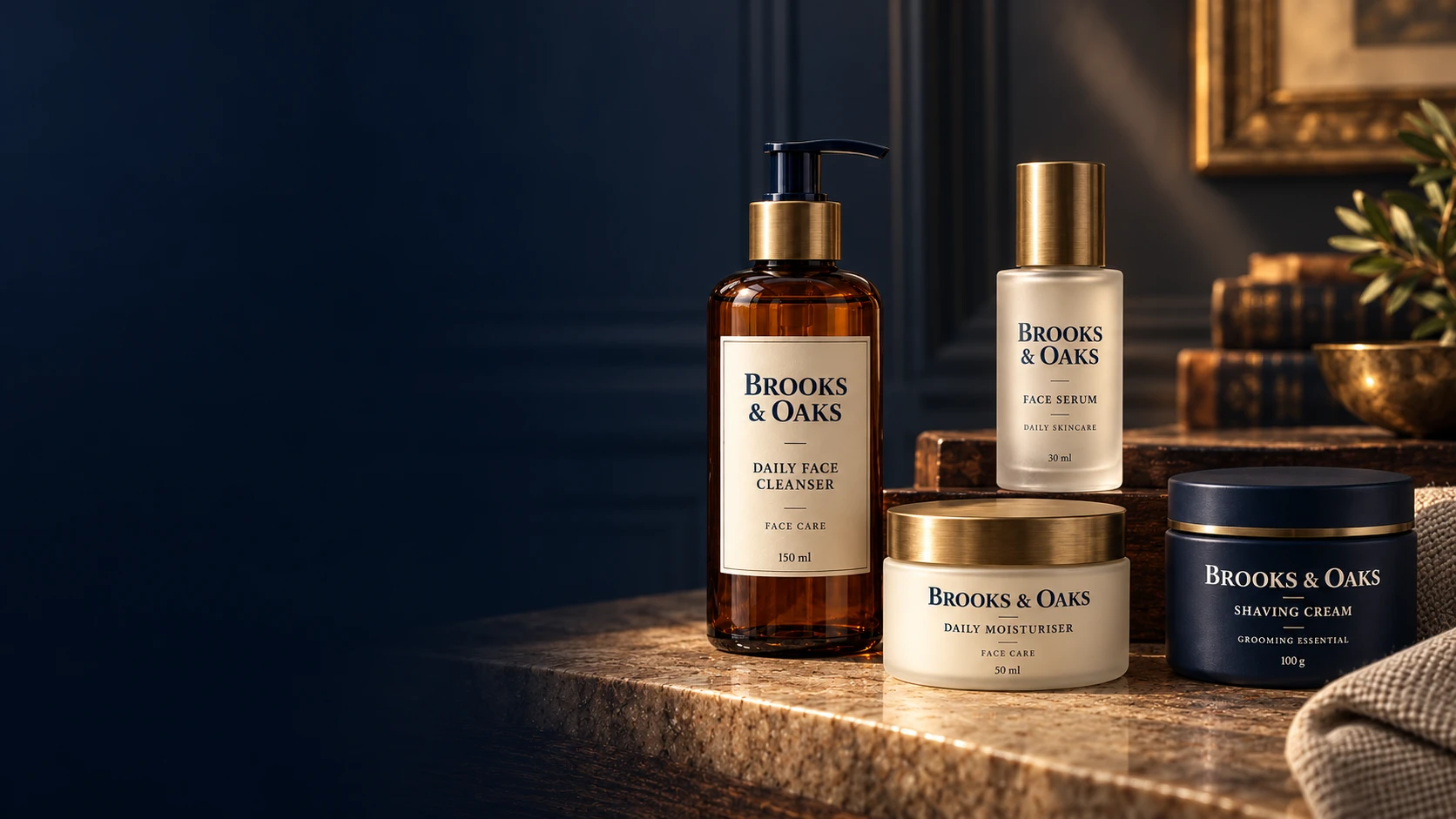
The phrase fragrance wardrobe can suggest a large collection arranged like a boutique display. In practice, a useful wardrobe may be very small. One familiar scent can serve most days, while an occasional alternative offers a different mood. The value lies in having clear choices, not in owning a bottle for every possible version of yourself.
A personal fragrance collection should reflect real occasions. Work, time at home, a meal with friends and a journey may create different settings, but they do not automatically require four purchases. This guide helps you identify useful roles and build a collection that remains enjoyable after the initial excitement of choosing.
Begin with the occasions you repeat
Look at an ordinary month. Which situations occur most often? You may spend much of your time in shared workspaces, travel regularly or prefer quiet evenings at home. These recurring settings deserve more attention than an imagined occasion that rarely happens.
For each setting, describe the fragrance experience you would enjoy. You might want discretion during the day, a familiar personal signature or a more atmospheric impression for an occasional evening. The description should include context, not only a list of notes.
This exercise may reveal that one product can serve several roles. That is useful information. A wardrobe does not become less personal because its contents are versatile. A familiar choice can gain meaning through repeated use across different parts of life.
Find your dependable centre
The centre of the wardrobe is the fragrance or scented product you reach for comfortably. It does not need to be unusual or dramatic. It should fit the role you use most often and remain pleasant enough to return to without hesitation.
Think about why it works. Perhaps the character feels clear, the prominence is appropriate or the association is familiar. Naming those qualities helps you understand your preferences more accurately than identifying with a broad label such as woody or fresh.
Do not choose the centre solely for how it appears to other people. A product that sounds impressive but feels inconvenient in your routine may become an occasional object of admiration rather than something you enjoy using. The dependable centre should earn its position through ordinary experience.
Add an alternative with a reason
An alternative is useful when it offers a distinct role you want. It might provide a softer mood for home, a brighter impression for a particular routine or a more atmospheric character for occasional evenings. The difference should be one you can describe and appreciate.
Avoid buying a near-duplicate simply because the packaging or story feels new. Similar products can both be enjoyable, but ask whether you would genuinely choose between them for different reasons. If the answer is unclear, spend more time with the product you already have.
The collection can grow slowly. You do not need to decide its final shape at the beginning. A new role often becomes clear through experience: a setting where your usual choice feels less suitable, or a fragrance impression you repeatedly find yourself wanting.
Include body care in the picture
A fragrance wardrobe is not limited to perfume. Cleansers, creams, oils and hair products can shape the scent of a routine. Consider whether these products already provide enough aromatic pleasure for some occasions before adding another scented layer.
Each category has its own intended use. A cleanser belongs in a washing sequence; a leave-on body product follows its own directions. Do not change application areas or leave rinse-off products on simply to increase fragrance. The scent role should remain within appropriate use.
You may find that a particular body-care fragrance is all you want during an evening at home. That is a complete choice. The wardrobe becomes more useful when it recognises these modest roles instead of assuming that every occasion requires a perfume application.
Separate mood from identity
Fragrance descriptions often imply a type of person: bold, reserved, adventurous or elegant. These words can be enjoyable storytelling, but they should not restrict your choices. A person can prefer a fresh scent one day and a smoky impression another without changing identity.
Think in terms of the moment rather than a permanent label. What atmosphere do you want to enjoy now? What setting will surround it? This makes the wardrobe flexible and reduces the pressure to find one scent that explains everything about you.
A signature can still develop naturally. Repeated use may make a fragrance familiar to you and people close to you. That familiarity is an outcome of living with a choice, not something you need to force at the point of purchase.
Compare at a manageable pace
When exploring alternatives, keep comparisons small. Describe a few qualities of each and note the setting you imagine for it. Too many options at once can make the exercise feel abstract, with every description blending into the same general promise of sophistication.
Give a product an ordinary context before deciding that it belongs in the collection. Use it as directed and consider the whole routine, including other scented products. Your experience outside the initial moment of selection may be more informative than the first impression.
Avoid making a purchase solely to complete a category chart. A collection is not an assignment. If you do not enjoy a particular family or see a role for it, leave that space empty. Deliberate absence can keep the wardrobe more coherent.
Consider the people sharing the setting
Fragrance occupies shared air. A wardrobe built for real life should account for close transport, offices, dining and other settings where people remain near one another. A scent you enjoy may be more noticeable to someone else than it is to you.
Let the situation guide restraint and respect fragrance-free requests or policies where they apply. Do not treat discretion as a lack of personality. A considered choice can express confidence precisely because it understands its setting.
When choosing a gift, ask about fragrance preferences and sensitivities. Your favourite note may not be the recipient's preferred experience. A wardrobe is personal, and thoughtfulness begins with the person who will use the product.
Store the collection for use
Follow the storage guidance for each product. Keep bottles in suitable conditions rather than on a sunny windowsill chosen only for appearance. Product identity, dates and directions should remain accessible. A beautiful display is useful only if it also supports the product's care.
Arrange the everyday choice where it is convenient, with occasional alternatives stored appropriately nearby or elsewhere. Avoid crowding the surface so tightly that picking up one bottle knocks another. A little space makes the collection easier to understand and maintain.
Review open products periodically. Do not mix remnants from different bottles or transfer them into an unlabelled container to simplify the display. Each formula should remain connected to its original information and intended use.
Review through use, not through novelty
After a few months, ask which products you actually chose. A bottle that remains untouched may need a clearer role, a different setting or no replacement when it is no longer suitable to keep. It does not need another purchase beside it to make the collection feel complete.
Notice whether your centre has changed. A once-occasional scent may have become the dependable choice, while a former favourite may now suit only certain moments. This is an ordinary evolution of preference, not a failure to choose correctly the first time.
Keep brief notes if they help, but avoid turning enjoyment into administration. The collection should reduce uncertainty, not create a system you must maintain in detail. A few clear roles are often enough.
Build a wardrobe from three real occasions
Take a blank page and name three occasions that recur in your life. For example, you might choose a workday involving shared transport, an evening at home and an occasional meal with friends. These are illustrative settings; choose your own rather than copying them automatically.
For each occasion, describe the experience you want in a sentence. The workday may call for discretion. The evening may invite a familiar atmospheric scent. The meal may suggest a restrained version of a favourite fragrance. Notice that these descriptions do not yet require three different bottles.
Next, place the products you already use beside the occasions they can serve appropriately. A dependable scent may fit more than one setting. A fragranced body product may provide all the aromatic pleasure you want at home. The mapping reveals the collection's existing usefulness before a new purchase enters the discussion.
Only then consider a gap. If none of your current products offers a particular impression you repeatedly want, write a brief for that role. Include character, prominence and product format. A specific gap is easier to shop for than the general wish to make the collection more complete.
When exploring an option, assess it in appropriate ordinary use and keep the surrounding routine understandable. Do not rely solely on a product description or a first impression taken out of context. A bottle earns its role when you know why you would choose it for a real day.
Review the page after a period of use. You may find that one occasion was less frequent than expected, or that the favourite product already covered the supposed gap. That information can prevent another unnecessary purchase. It may also reveal a new preference worth exploring later.
The exercise leaves room for pleasure and change. A fragrance wardrobe is not a timetable, and you can choose differently on a particular day. Its purpose is to make the collection's roles visible so that variety feels intentional. The most useful result may be a smaller wardrobe with clearer reasons, rather than a larger one arranged around categories that have little connection to your life.
Before reorganising the display, write the role of each product on a private note. If two roles are indistinguishable, decide whether the alternatives are intentional. This exercise can reveal that the collection is already complete for your real occasions, even if a decorative shelf still has room for another bottle. Leave space for preferences that change with experience, without immediately replacing the whole collection.
Build a wardrobe with room to breathe
A useful fragrance wardrobe might contain one daily choice, one distinct alternative and a scented body-care ritual you enjoy occasionally. It might contain fewer. The right number is the number whose purpose you understand and whose use fits your life.
Before adding a bottle, ask what new role it will serve, whether you have experienced it appropriately and whether its product information answers your practical questions. These questions do not diminish the pleasure of discovery. They help the pleasure last beyond the purchase.
The most personal collection is rarely the most exhaustive. It is the one in which familiar choices have meaning, alternatives have a reason and there is enough space to notice each one.
