
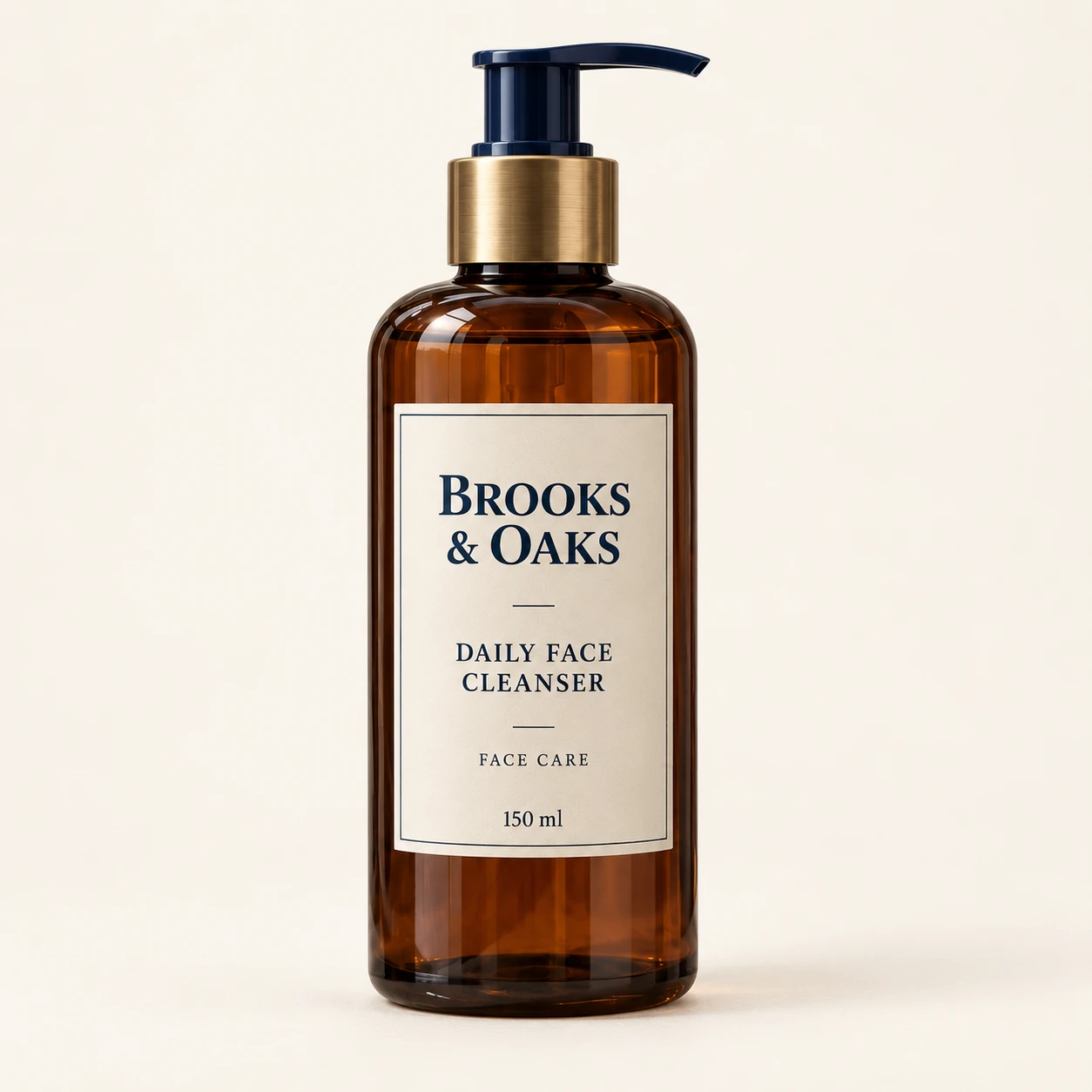
Some people reach instinctively for a cream after a shower. Others prefer the glide and sheen of an oil. Many enjoy both, but use them at different times. The question is rarely which category deserves to win. It is how a particular product feels in a particular routine, and whether its use is clearly understood.
An oil and a cream can offer different sensory experiences. Their full formulations, directions and intended uses matter more than broad category assumptions. This guide focuses on the choices you can observe for yourself: application, amount, finish, fragrance, clothing and the practical details that help a body-care ritual fit into everyday life.
Begin with the complete product
The word oil describes a broad format. It does not tell you the exact blend, the proportion of ingredients or the intended body area. A body massage oil, a facial oil and a hair oil should not be treated as interchangeable simply because they share the same word. Read the label for each product's purpose.
Cream is similarly broad. A cream may feel light or substantial, spread quickly or invite a more deliberate application, and have a finish you experience differently in warm or cool weather. The presence of one familiar ingredient cannot predict everything about it. The finished formula is what you will actually use.
Start by identifying the product's role in a sentence. “This is a leave-on body cream to use as directed after washing” is clear. “This is a botanical oil that can probably do everything” leaves too much room for assumption. Clarity is the first step toward an enjoyable comparison.
Think about application rather than prestige
An oil's glide may suit someone who enjoys taking time over application. A cream may appeal to someone who prefers a product that can be distributed without the same flowing movement. Neither experience is inherently more sophisticated. The right texture is the one you can use comfortably and consistently.
Where you apply it also matters. A standing application beside a slippery shower is different from using a small amount while seated on a stable chair outside the wet area. Consider access, balance and the surfaces nearby. Do not let the desire for a spa-like setting make the routine awkward or unsafe.
The practical question is simple: can you dispense the product neatly, apply it according to its directions and finish without creating an inconvenient mess? If not, adjust the setting or quantity before deciding that the entire category is unsuitable for you.
Observe the finish in stages
The first few seconds can be persuasive, but a useful comparison lasts longer. Notice how the texture spreads, how it feels once you stop moving your hands, and what happens when you put on clothing. A finish that looks attractive in bathroom lighting may feel different beneath a close-fitting sleeve.
Try to describe the experience without borrowing advertising language. You might write “easy to spread but more than I wanted on my hands,” or “comfortable after ten minutes but inconvenient when rushing.” Such notes explain your needs more precisely than words such as nourishing or indulgent used on their own.
You may also find that the amount was the issue. A generous application can make a normally comfortable texture feel heavy. Within the product's directions, begin modestly and pay attention to coverage. More product should answer a practical need, not a belief that a premium ritual must involve abundance.
Let clothing influence the timing
Body care exists in the same day as shirts, nightwear, dresses, trousers and upholstery. If you apply a product immediately before dressing, allow enough time to understand its finish. Fabrics vary, and oils can mark clothing or other materials. Keep delicate garments away from a fresh application until you know how the product behaves.
An evening ritual can offer a more relaxed setting for a texture you prefer to use slowly. A morning routine may call for a different amount or a different product. These are useful distinctions because they respond to your schedule rather than imposing the same sequence on every occasion.
If you are preparing for an event, avoid using unfamiliar combinations for the first time just before putting on your outfit. Try the routine earlier on another day. The confidence of knowing how it works is a more valuable finishing touch than an extra layer applied at the last minute.
Decide whether layering has a purpose
Layering an oil and a cream is a choice, not a compulsory rule. Before adding both, ask what you want the second product to change. Are you seeking a different surface feel, a particular application experience or a fragrance you enjoy? If the first product already serves your needs, there may be no useful reason to add another.
When products are used together, follow their directions and consider compatibility. Do not mix them inside a bottle or jar unless the manufacturer explicitly instructs you to do so. Combining finished products in their packaging changes the original formulation and makes later identification more difficult.
If you want to compare layering with using one product alone, keep the comparison simple. Try it on an ordinary day, use modest amounts as directed and observe how the finish suits you. A routine is successful because it feels appropriate, not because it contains the largest possible number of steps.
Keep fragrance from becoming crowded
A scented oil and a scented cream may each be pleasant on their own yet compete when used together. Include your cleanser, perfume and hair products in the picture. A coherent scent experience often comes from choosing a lead fragrance and allowing the other products to remain quieter.
You do not need to match every label word. A floral impression can sit comfortably beside a soft woody one for some people, while others prefer a single fragrance throughout. The important distinction is between a combination you have experienced and one you only imagine from separate descriptions.
If fragrance is not suitable for you, focus the ritual elsewhere. The arrangement of the room, a well-chosen towel and the convenience of a clear routine can be just as meaningful. A fragrance-free preference should be treated as a complete preference, not a compromise that needs to be corrected.
Adapt to the room and the weather
A warm bathroom, a cool bedroom and a humid afternoon can change how a texture feels in use. That does not mean you need a completely new collection each season. Often the useful adjustment is the time of day, the amount applied or the places where you choose to use a product.
Notice the conditions rather than attributing every difference to the bottle. Were you dressing more quickly? Was the room warmer? Did you apply more than usual? A little context can prevent an unnecessary purchase or help you choose a second texture for a genuinely different situation.
Storage still follows the product's label. Avoid placing bottles on a sunny windowsill just because the light makes the packaging attractive. Keep closures secure and the exterior clean. The room should support the product's intended storage conditions as well as the mood of the routine.
Make a comparison that is fair to your own needs
When comparing two products, define a few criteria before you start. Dispensing, ease of application, preferred finish, fragrance and dressing time may be enough. You can rate each informally or simply write a short sentence. The goal is to recognise a pattern, not to produce a scientific study at home.
Use the products as directed. Do not create an extreme application to force a visible difference, and do not treat the exercise as proof of a clinical benefit. A personal comparison tells you about your experience under those conditions. It cannot establish universal superiority or predict everyone else's response.
If one product does not agree with you, stop the comparison. Discomfort is not a stage you need to pass through to appreciate a luxurious texture. For ongoing skin concerns, consult a qualified professional who can consider the individual problem rather than relying on category labels.
Keep the application area orderly
Prepare the few things you need before opening the product: a clean place to stand or sit, a towel, clothing and somewhere secure to set the container down. This is particularly useful with oils because a small spill can spread across a surface and make handles or floors slippery.
Wipe drips promptly and wash residue from your hands before touching objects that need a firm grip. Keep products away from the edges of shelves where a casual movement could knock them over. These details may seem ordinary, but they determine whether a ritual feels smooth or frustrating.
For jars, use clean, dry hands or a suitable clean applicator and avoid introducing water. For pumps and bottles, close or secure the packaging according to its design. A tidy application method is easier to repeat and helps preserve clear information about what you are using.
A two-evening comparison
On an ordinary evening, use one suitable product according to its directions and wear familiar clothing. Note the application, the pause before dressing and the finish you notice afterward. On another comparable evening, try the alternative appropriately. Keep the rest of the routine as familiar as practical.
The comparison may reveal different roles rather than a winner. Perhaps you prefer the cream when you want a straightforward application, while the oil belongs to an occasional longer ritual. Or you may decide that one product already covers both situations comfortably.
Avoid treating the exercise as a scientific trial. It is a way to understand your own experience and make the next purchase less abstract. A clear preference about convenience or finish is useful even when it does not establish anything about another person's needs.
Keep the chosen product close to a suitable application area, with clothing protected from fresh residue.
A simple decision guide
Choose a cream when its specific texture and directions suit the finish you want and the time you have. Choose an oil when you enjoy its application style and can give the process an appropriate setting. Choose both only when each has a distinct role you can explain. Keep either choice flexible as your preferences develop.
A useful collection might contain one dependable everyday product and one occasional alternative. It might also contain only one product you love. The number is less important than the relationship between the product and your routine. A carefully used bottle can feel more personal than an impressive shelf of unexplained options.
Before buying, review the full product details, consider any ingredients you know you need to avoid, and ask for clarification if the intended use is unclear. Then give the product a fair, ordinary place in your life. That is where texture becomes meaningful: in the ease of a familiar action and the pleasure of returning to it.
