
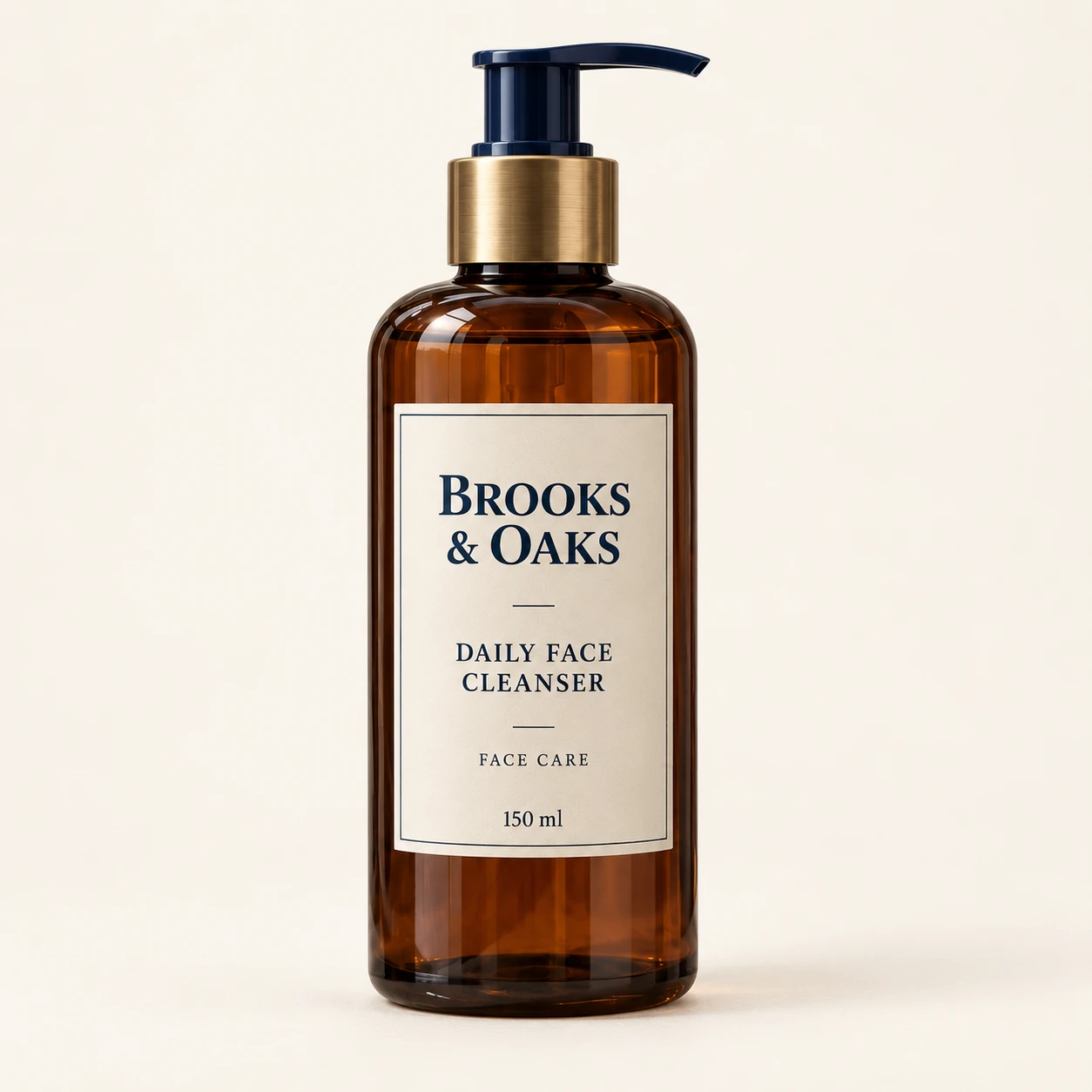
A body massage oil invites a different pace from a quick pump of cleanser. There is the act of dispensing a small amount, the movement of the hands and the attention needed to keep the surrounding space comfortable. It can be a pleasing part of an evening, provided the ritual is built around ordinary care rather than ambitious promises.
This guide concerns a simple cosmetic routine for adults using a finished product as directed. It is not a manual for treating pain, injuries or medical conditions. The distinction matters because an oil's fragrance and glide can be enjoyed on their own terms. They do not need a therapeutic claim to make the experience worthwhile.
Know which bottle you are using
Read the product name, intended use and directions before beginning. A ready-to-use body massage oil is different from a concentrated essential oil, and neither should be confused with a diffuser product. Similar botanical names can appear across categories, so the label's purpose is more important than familiarity with an ingredient.
Do not add concentrated aromatic ingredients to a finished massage oil simply to make the scent stronger. A retail formula has been designed for a particular use. Altering it changes the product you are applying and makes its original guidance less useful. If you prefer a different fragrance, choose a suitable finished product rather than improvising with concentration.
Keep the original packaging nearby throughout use. It provides the directions, ingredient information and contact details you may need later. An unlabelled decorative bottle can look attractive but creates an unnecessary gap between the product and its identity.
Choose a setting that supports easy movement
The most useful setting is clean, stable and free from unnecessary obstacles. You should be able to reach the product without stretching and move without stepping across spilled oil. A suitable chair can make a modest self-application more comfortable than trying to maintain an awkward position.
Think about the surfaces as well as the lighting. Oils can mark fabrics and make floors slippery. Protect appropriate surfaces, keep delicate textiles away from fresh product and clean spills promptly. A towel used for the routine should be cared for according to its instructions rather than left in a damp bundle afterward.
You do not need a dark room. Soft light may be pleasant, but there must be enough illumination to read directions and notice a spill. An attractive atmosphere should never reduce your ability to handle the bottle or move securely.
Prepare a modest sequence
A simple sequence might be: prepare the space, check the product directions, dispense a little, apply gently to the intended area, pause, then clean up and dress. That is enough structure to make the ritual feel deliberate without assigning every minute a task.
Choose one area you can comfortably reach rather than trying to complete a full-body routine. Hands, forearms or lower legs may be practical for some people, but your mobility and the product's instructions decide what is appropriate. Avoid positions that require strain or pressure on an uncomfortable joint.
The aim is a manageable experience. If you spend the whole time adjusting cushions, reaching for the bottle or worrying about the clock, shorten the sequence. A few comfortable minutes are more valuable than a long session that does not suit your body or surroundings.
Let the product provide glide, not a reason for force
Use the oil according to its directions and keep movements gentle and comfortable. More pressure is not automatically better. A home cosmetic ritual does not need deep or forceful techniques, and discomfort should not be treated as evidence that something useful is happening.
Avoid using massage to work through unexplained pain, swelling, injury or other concerning symptoms. If you have a relevant medical condition, are pregnant, have recently had surgery or are unsure whether massage is appropriate, seek individual professional guidance. The useful boundary is to keep an everyday ritual within what you understand and can do comfortably.
There is no need to borrow technical terms from professional bodywork. Describe what you are doing plainly: applying a body product with easy movements. This keeps expectations realistic and allows the pleasure of the texture to remain the focus.
Work with a small amount
Dispense gradually rather than pouring a large quantity at the beginning. A little product is easier to distribute and easier to keep away from floors, door handles and clothing. Add more only as needed within the labelled directions for the intended application.
If the bottle uses a pump, learn how much one press delivers before deciding how many you need. If it pours, take care with the angle and closure. The packaging design is part of the routine, and understanding it helps you use the product neatly.
Excess oil can turn an enjoyable glide into a persistent residue you do not want. A premium experience is not measured by how much leaves the bottle. It is measured by whether the application feels controlled, comfortable and appropriate to the moment.
Keep fragrance personal and considerate
A massage oil's scent can influence the character of the ritual. Some people enjoy woody or softly floral impressions in the evening; others prefer a lighter atmosphere or no fragrance at all. These are preferences, and they can change with the room, the season and the people nearby.
If sharing the space, ask about fragrance preferences beforehand. Do not assume that someone will enjoy a scent because you find it pleasant. The same principle applies if a partner is helping apply the product: explain what you want, obtain clear agreement and keep the experience easy to pause or stop.
Scent language should remain sensory. A fragrance may remind you of a quiet garden or a warm room without being a treatment for a health condition. Enjoying an association is different from relying on a medical effect, and the ritual is complete without making the latter claim.
Give the finish time to become familiar
After applying the product, notice how it feels before dressing. Follow any guidance about leaving it on or removing excess. Keep delicate clothing and upholstery away until you understand the particular oil's behaviour. A towel or robe chosen for practical use may be more appropriate than your finest fabric.
If you are trying a product for the first time, choose an ordinary evening rather than the minutes before leaving for an event. This gives you room to assess the finish without rushing. It also makes it easier to identify whether the amount or timing should change next time.
Record a few practical observations if helpful: how easily the oil dispensed, whether the scent felt comfortable and whether the finish suited your clothes. These notes can guide future use without turning the experience into a formal assessment.
Make the reset part of the pleasure
Close the bottle securely and wipe the outside if necessary. Clean the application area and any drips. Wash residue from your hands before touching objects that require grip. Put towels where they can be cared for properly rather than leaving cleanup for a vague later moment.
A ritual feels more complete when it leaves the room ready to use. This is especially important in a shared household, where a product left open or a slippery surface affects someone who did not choose the activity. Consideration for the next person is part of the quality of the experience.
Keep the oil in the storage conditions stated on its label. Do not leave it beside a heat source or in strong sunlight for decorative effect. A bottle can be displayed thoughtfully without asking it to tolerate an unsuitable environment.
Choose frequency through preference, not obligation
There is no universal schedule for enjoying a cosmetic body-oil ritual. Your product directions, comfort and available time should guide you. A weekly evening may feel natural, or you may prefer occasional use. There is no reason to turn an enjoyable option into another task that creates guilt when omitted.
You can also keep a shorter version. Perhaps you prepare the room and use the product only on an area that is easy to reach, then finish after a few minutes. On a quieter day, you may take longer over the same familiar sequence. The core remains recognisable without demanding identical duration.
If the routine begins to feel inconvenient, look at the arrangement before abandoning it. A better place for the bottle, a more suitable towel or a different time of day may solve the practical problem. Good rituals often improve through small edits.
An illustrative first session
Imagine setting aside a short period on a quiet evening for a simple application to an area you can comfortably reach and that the product's directions permit. Prepare a stable seat, practical clothing and a place to set the bottle securely. Keep the floor clear and use enough light to notice a drip.
Read the directions before dispensing. Apply a modest amount with comfortable movements, then pause to notice the finish. The session does not need to cover every body area or continue for a predetermined length. Its purpose is to learn whether the product and arrangement feel suitable.
When finished, close the bottle, wipe residue and wash your hands before handling anything that requires grip. Put textiles where they can be cared for appropriately. Then ask what you would change next time: the placement of the bottle, the amount, the clothing or the time of day.
This example is deliberately small. A first experience provides better information when it has few moving parts. If you enjoy it, a longer version can develop within the product's guidance and your own comfort. If you do not, the useful lesson may be that another kind of evening routine suits you better. Neither result needs to become a judgement about your ability to practise self-care.
If the application area is shared, explain the setup beforehand and leave a clear, dry path through the room afterward.
A practical checklist for the first evening
Confirm that you have the correct finished product, understand its directions and have considered any individual reasons to seek advice before use. Prepare a stable, clean setting with useful lighting. Keep the amount modest and the application gentle. Stop if anything feels uncomfortable or a product causes an adverse reaction.
Allow time to assess the finish before dressing, then restore the room to an orderly state. Finally, ask a simple question: did this feel pleasant enough to choose again? Your answer does not need to match anyone else's description of a luxurious evening.
At its best, a body massage oil ritual is an exercise in attention. The bottle, the texture and the scent support a few minutes you have chosen deliberately. The experience remains personal because it respects your comfort, your setting and your right to keep it simple.
