
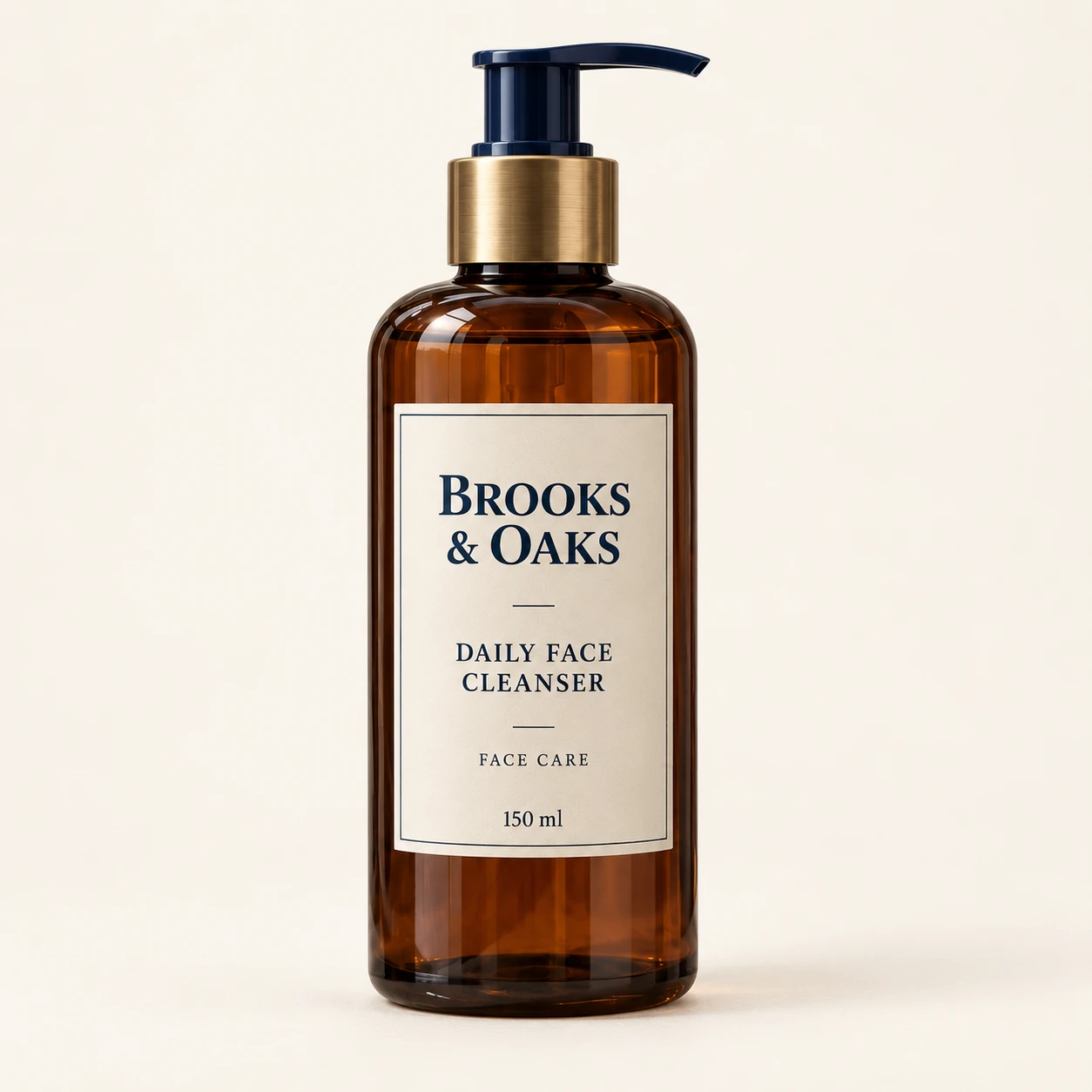
Shea is a familiar word in body care, often associated with a substantial, comforting texture. Yet a shea body cream is not simply a jar of one ingredient. It is a finished formulation, and the experience depends on everything that goes into it: the composition, the way it spreads, the fragrance, the packaging and the instructions for use.
For a customer, the most useful approach is both curious and practical. Appreciate the ingredient story, then ask how this particular cream will fit your life. Will you enjoy applying it? Does its finish suit the time of day you have in mind? Is the product information clear? These questions turn an appealing name into a considered choice.
The ingredient story is a beginning
A highlighted ingredient introduces a product but does not explain it completely. Shea may be central to the way a body cream is described, while other ingredients contribute to the finished texture and performance. The full ingredient declaration provides a broader picture than the front label alone.
Avoid assuming that two products with shea in their names will feel identical. The quantity, the other ingredients and the overall formulation can differ. One may be easier to spread quickly; another may have a denser feel. Even the way a product is dispensed can change your first impression.
When a specific ingredient detail matters to you, ask for the current information for the exact product and variant. Do not rely on a general description of shea butter found elsewhere. A retail product should be understood through its own label and manufacturer-supplied details.
Define what a rich texture means to you
Rich is a sensory description, and people use it differently. It may mean dense in the jar, substantial during application or noticeable on the skin afterward. These are separate moments. A cream that appears thick can spread easily, while a lighter-looking texture may still leave a finish you find pronounced.
Try describing the stages separately. How much effort does it take to distribute a small amount? Does it feel comfortable as you stop applying it? What do you notice after dressing? This vocabulary helps you decide whether a product suits you without treating a single impression as the entire experience.
There is no prize for choosing the richest option. Your preferred finish may be lighter on a warm morning and more substantial on a quiet evening. The product's value lies in its usefulness and enjoyment, not in how extreme its texture sounds in a description.
Place it within a realistic routine
A body cream needs a moment when it can be used comfortably. After washing is a common place in a routine, but follow the product's directions about application. Prepare the space before you begin so that the jar or bottle is easy to reach and your clothing is ready.
Think about whether the cream belongs in your everyday sequence or an occasional longer one. If you enjoy its texture but rarely have time for it before work, an evening application may make more sense. Moving a product to a better moment can be more useful than deciding it was a poor choice.
The best routine does not depend on remembering an extra task in another room. Put the product in a suitable storage place connected to its use, away from conditions its label advises against. Convenience and correct storage should work together.
Learn the amount through ordinary use
Begin with the labelled directions and a quantity you can manage comfortably. Apply methodically rather than opening the jar repeatedly while deciding what to do next. If you need more for the intended area, add it in a controlled way. This keeps the experience tidy and helps you understand your normal usage.
A large amount is not a reliable shortcut to a more luxurious finish. Too much can make dressing inconvenient or leave residue on hands and surfaces. If the product feels heavier than expected, consider whether quantity and timing contributed before making a final judgement.
After a few ordinary uses, you will have a better sense of what is appropriate for your routine. That personal understanding is more useful than an estimated number of applications taken from someone else's experience. Bodies, preferences and application habits differ.
Consider clothing before application
Cream meets fabric soon after it meets skin. If you are about to wear close-fitting or delicate clothing, allow enough time to understand how the product settles. Avoid transferring residue from your hands onto collars, cuffs or accessories while dressing.
Some people prefer using a richer-feeling product before comfortable evening clothes rather than before a tailored outfit. Others find a modest application works well at either time. The important point is to observe the specific product in your own circumstances rather than assuming a fixed rule for every cream.
For an event, try a new product beforehand on another day. This lets you learn the finish without the pressure of a departure time. An established routine provides confidence, which often contributes more to the experience than adding an unfamiliar last-minute step.
Give fragrance a deliberate place
A fragranced body cream may influence the scent you notice through the day. Consider whether you want it to be the main fragrance of the routine or a quieter companion to another product. Read the scent description as an impression, then judge the actual combination when used as directed.
If you plan to wear perfume, avoid assuming that a cream with a similar descriptive word will match perfectly. A woody cream and a woody perfume may have very different personalities. Start simply and allow your own preference to decide. There is no need to build an elaborate fragrance combination to enjoy body care.
For people who avoid fragrance, that preference should remain central. A product's botanical story or premium positioning does not override a known sensitivity or professional advice. Texture, practical packaging and a well-arranged routine can provide pleasure without a scented component.
Care for the container as well as the contents
If the cream is packaged in a jar, keep the opening clean and avoid introducing water. Use clean, dry hands or an appropriate clean applicator. Do not leave the container open while completing several other tasks. The simplest habit is to open, dispense, close and then apply.
If it comes in a pump or tube, wipe away residue that collects around the outlet and secure the closure as designed. A product can be elegantly presented yet still need ordinary maintenance. Keeping the exterior tidy makes it easier to handle and keeps label information legible.
Resist transferring the cream into an unlabelled decorative pot for everyday use. The original package carries useful information, and a new container may not be suitable. If travel requires a different arrangement, first check the product guidance and keep identification clear.
Adjust expectations with the season
Weather changes the context of application. A texture you enjoy in a cool room may feel different during a humid afternoon. Your clothing and schedule may change too. Observe those surrounding factors before assuming that the cream itself has changed.
You may prefer a different application time or amount within the product's directions. You may also decide that a second texture has a distinct seasonal role. Either choice can be sensible. What matters is that the adjustment responds to a real experience rather than a calendar telling you to buy another product.
Follow the storage instructions throughout the year. A sunny shelf or a hot vehicle is not a suitable display location simply because the packaging looks attractive there. Keep the product in the conditions intended by its maker and notice any unexpected change that warrants contacting the retailer.
Keep product claims in perspective
A cream can be discussed through its intended cosmetic use and the experience of applying it. Claims about treating medical conditions or producing dramatic biological changes require a different level of evidence. Do not infer those claims from the presence of a celebrated ingredient or from language that suggests comfort and care.
If you are managing an ongoing skin condition, use advice tailored to that situation. A retailer can help clarify ingredients and directions, but cannot determine individual medical suitability from a short product enquiry. Distinguishing these roles makes the conversation more useful for everyone.
The everyday question remains valuable: do you understand the product, enjoy its texture and find a comfortable place for it in your routine? Those are legitimate reasons to choose a body cream. They do not need to be inflated into promises the product was never intended to make.
A practical first-week review
Suppose you have chosen a shea body cream for evening use. On the first appropriate occasion, keep the rest of the routine familiar and read the label before opening the container. Notice how the cream dispenses and spreads, then give attention to the finish after application. There is no need to create an unusually generous layer to make the trial feel meaningful.
On later occasions, use it within the same intended routine and note any practical pattern. Perhaps the product is comfortable when you prepare clothing first but inconvenient when you apply it while rushing. Perhaps the jar is best placed on a different shelf so that it can be handled with clean, dry hands.
At the end of the week, ask three questions: do I enjoy the application, does the finish suit the moment, and is the packaging convenient in this room? These questions connect the purchase to ordinary use. They are more useful for deciding whether to keep the cream in the active collection than asking whether one celebrated ingredient has lived up to every description you have read elsewhere.
If the answer is mixed, make one practical adjustment before drawing a broad conclusion. If the product causes discomfort, stop using it. The review is meant to improve understanding, not persuade you to ignore an unwelcome response.
A simple note about the preferred application time can make the next use easier.
Build a small, useful evaluation
After the first few appropriate uses, note five things: dispensing, spread, finish, fragrance and convenience. Consider whether the cream suits the moment you chose. If one aspect is inconvenient, see whether a small practical adjustment addresses it. If the product causes discomfort, stop using it rather than trying to make the routine accommodate a reaction.
A brief evaluation also helps you decide whether to reorder. You may admire a product's presentation but prefer another texture for everyday life. Or you may discover that a quietly dependable cream becomes the one you reach for most often. Both outcomes are useful information.
A shea body cream is best appreciated as a complete product in a real routine. Let the ingredient invite your interest, then let clear information and ordinary experience guide the decision. The result is a purchase that feels personal because you understand why it belongs.
