
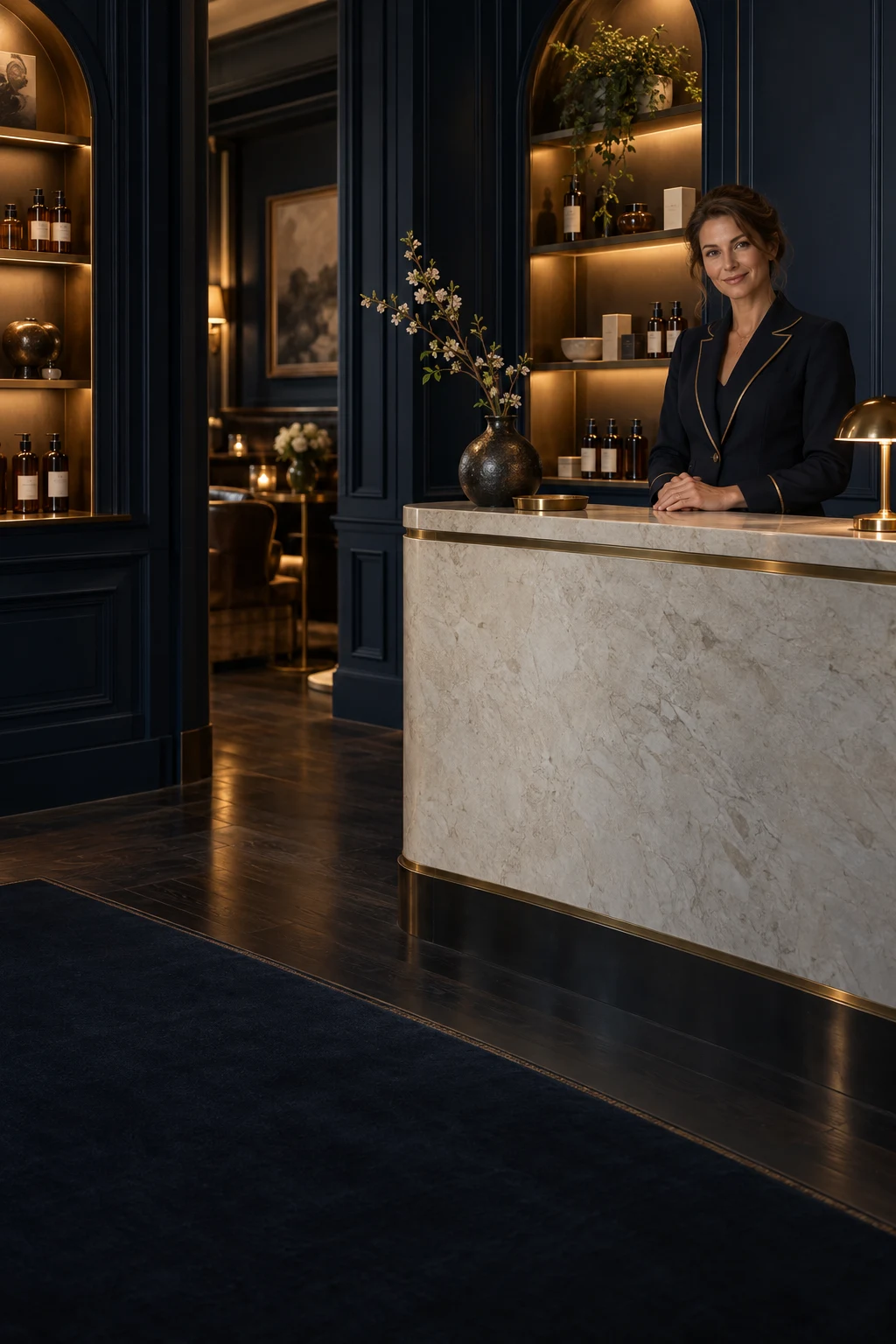
An unhurried hour at home can feel generous precisely because it is ordinary. There is no appointment to keep, no journey required and no need to reproduce a spa environment exactly. You can choose a few familiar actions, prepare the room and give them more attention than a weekday usually allows.
The hour described here is an optional planning example, not a required duration for any product or activity. Product directions always determine application and timing. The idea is to combine a suitable personal-care routine with a small reset of the space, leaving both you and the room ready for the week ahead.
Decide what the hour is for
Choose one main purpose. Perhaps you want a more leisurely wash and body-care routine, a planned hair wash or time to organise the products you use daily. Do not try to fit every possible grooming task into the same hour.
A clear purpose prevents the ritual from becoming a list of things you feel behind on. The hour should offer a useful experience, not become a compressed version of household administration. If a separate task needs substantial attention, give it another place in the day.
Keep one optional pleasure in mind. Music, a familiar robe or a quiet cup of something afterward may be enough. The pleasure does not need to be photographed or purchased specifically for the ritual. It should be something you actually enjoy.
Begin with a ten-minute preparation
As an illustrative starting point, use the first few minutes to clear the working surface, prepare a suitable towel and choose the products needed for the main purpose. Check directions for anything unfamiliar and keep the active selection modest.
Put clothing and tools where they will be easy to reach. If electrical equipment is involved later, prepare a suitable safe area according to its instructions. Keep it separate from wet surfaces and any oil application.
The exact preparation time can vary. The point is to remove predictable interruptions before beginning. A little organisation now makes the rest of the hour feel more continuous, because you are not repeatedly leaving the room to find something.
Choose a familiar care sequence
Use products you understand, or introduce only a limited change that you can assess thoughtfully. Follow each item's intended use, including whether it is rinsed away or left on. A leisurely setting does not justify leaving a product on longer than directed.
If the hour centres on body care, the sequence may include washing, drying comfortably and applying an appropriate leave-on product. If it centres on hair, use the suitable wash-day routine for your hair and chosen products. Keep the scope clear.
Avoid adding extra steps simply to fill the time. An hour is an opportunity, not a target that must be occupied. If the useful care is complete sooner, the remaining time can remain free. That freedom is part of the pleasure.
Give attention to the transitions
Notice the minutes between washing and dressing. Have the towel ready, keep the floor safe and allow the product finish to settle as appropriate before clothing touches it. These transitions often shape the experience more than another scented item.
If using an oil, keep drips away from floors and handles, and protect fabrics from fresh residue. Choose a stable, comfortable place for application. The setting should support easy movement rather than asking you to balance or stretch awkwardly.
A small pause can feel deliberate without becoming a performance. You might arrange tools, put the towel on its rail or sit comfortably for a moment. Let the sequence move at a pace that fits the product and your own preference.
Keep the sensory atmosphere simple
Choose one or two sensory details you enjoy. A particular towel texture, familiar music or the fragrance of a suitable body product may be enough. Adding room scent, multiple fragranced products and elaborate lighting can make the environment busier rather than more restful.
Consider others sharing the home. Ask about fragrance or sound preferences where relevant and keep the space comfortable for them as well. A personal ritual does not need to dominate the atmosphere of the entire household.
Fragrance is optional. A fragrance-free routine can be equally considered through order, texture and time. The experience should reflect the person using it, not an assumed recipe for what luxury must smell like.
Use a short shelf review wisely
If you want to include a product review, limit it to one small area. Check the daily collection, notice anything running low and identify an item that has no clear role. There is no need to empty every cupboard unless that is the main task you chose.
Read dates and storage guidance rather than relying on memory. Keep product identity intact and avoid combining remnants from different bottles. If something has changed unexpectedly or its history is uncertain, seek appropriate guidance instead of improvising a solution.
The review should leave the next week's routine easier to understand. Move an occasional product out of the working area or place a daily item where it is more convenient. One practical improvement is enough to make the exercise worthwhile.
Add a small preparation for the week
Choose a single recurring inconvenience to address. You might prepare a clean towel, check a grooming tool or place the products needed for an early start in their normal order. The task should be specific and short.
Avoid allowing the ritual to expand into meal planning, work email and every other weekly responsibility unless that is what you intentionally want. The boundary helps the hour retain its character. Personal care can sit beside the rest of life without being swallowed by it.
A modest preparation gives the ritual continuity. The attention you give on Sunday becomes a small convenience on Monday. It may be as simple as knowing where the familiar comb is and finding the shelf clear.
Finish with a proper reset
Close bottles, wipe drips and put tools away appropriately. Care for towels and textiles according to their instructions. Check the floor and handles if oil or other residue may have reached them. Leave the room suitable for the next person.
This reset is easier when the collection has clear homes. If cleanup feels like a large task, the arrangement may need simplification. A ritual should not create an elaborate mess that cancels out the pleasure of using the products.
The final few minutes can be quiet. Put the room in order, change into comfortable clothing and step away from the working surface. Completion does not require a dramatic result. It can simply mean that the chosen care is done.
Keep a shorter version available
Some Sundays will not offer an hour. Keep a version that uses the same core sequence in the time you realistically have, without rushing product directions or safe handling. The optional shelf review or decorative details can be omitted.
This protects the ritual from becoming all-or-nothing. A familiar wash, an appropriate body product and a clear reset may still provide the sense of completion you wanted. The shorter version is not a failed attempt at the longer one.
You may also choose to skip the ritual entirely when life asks for something else. A personal practice should support you rather than create guilt. Its value lies in being available and enjoyable, not compulsory.
An illustrative hour with space left in it
Imagine choosing a Sunday hour whose main purpose is an unhurried body-care routine. The person begins by preparing a towel, familiar products and comfortable clothing. They decide in advance that a full cupboard reorganisation will not be part of the hour, because that is a different task with a different kind of attention.
The first portion is practical preparation. The next is the appropriate wash and body-care sequence, following the actual product directions rather than a timetable invented for the article. A leave-on product's finish is allowed to settle as needed before dressing, and any oil residue is kept away from floors, handles and delicate textiles.
One optional pleasure is included: familiar music at a comfortable volume for the household. There is no need to combine several fragrances, create elaborate lighting or document the routine. The person chooses the detail because they enjoy it, not because it is required to make the hour count as a ritual.
After dressing, they review only the active shelf. One product is nearing its end, and another belongs in occasional storage. The person makes a brief replacement note and moves the occasional item to a suitable place. They do not open every drawer simply because a few minutes remain.
The room is reset: bottles closed, drips wiped, towel placed appropriately and tools returned. The practical purpose of the hour is now complete. The remaining time can be used for something quiet or left unplanned. Completion does not require filling every minute with another self-improvement task.
On another Sunday, the schedule is shorter. The person keeps the familiar care sequence and omits the optional shelf review and music preparation. Product directions and safe handling remain intact. The shorter version still feels recognisable because the main purpose has not changed.
On a third occasion, the person decides that hair washing is the priority. The hour is planned around that suitable routine instead of trying to add it to the full body-care version. Choosing one centre prevents the ritual from becoming a compressed list of everything that might be done.
The example demonstrates how a time boundary can create freedom when the purpose is clear. It is a container for attention, not a performance target. The most useful review question is whether the chosen actions felt manageable and whether the room was left easier to use. If the hour consistently feels crowded, remove an optional task before searching for another product that promises a more restful experience.
A Sunday review can end with one sentence about the coming week: the product that needs replacing, the tool that needs appropriate care or the preparation that will make an early start easier. One clear action is more useful than an expanding list of possibilities.
Let repetition refine the hour
After a few occasions, notice what you consistently enjoy. Perhaps the room preparation matters most, or perhaps the unhurried dressing interval is the detail you want to keep. Preserve those elements and remove the ones that feel like unnecessary work.
The ritual can change with the season, your schedule or the products you use. Keep the main purpose clear while allowing the details to evolve. A practice becomes personal through these small edits, not through perfect adherence to an example.
An hour of considered care is ultimately a choice about attention. You give a few ordinary actions enough space to feel complete, then leave the room and the routine ready for another week.
